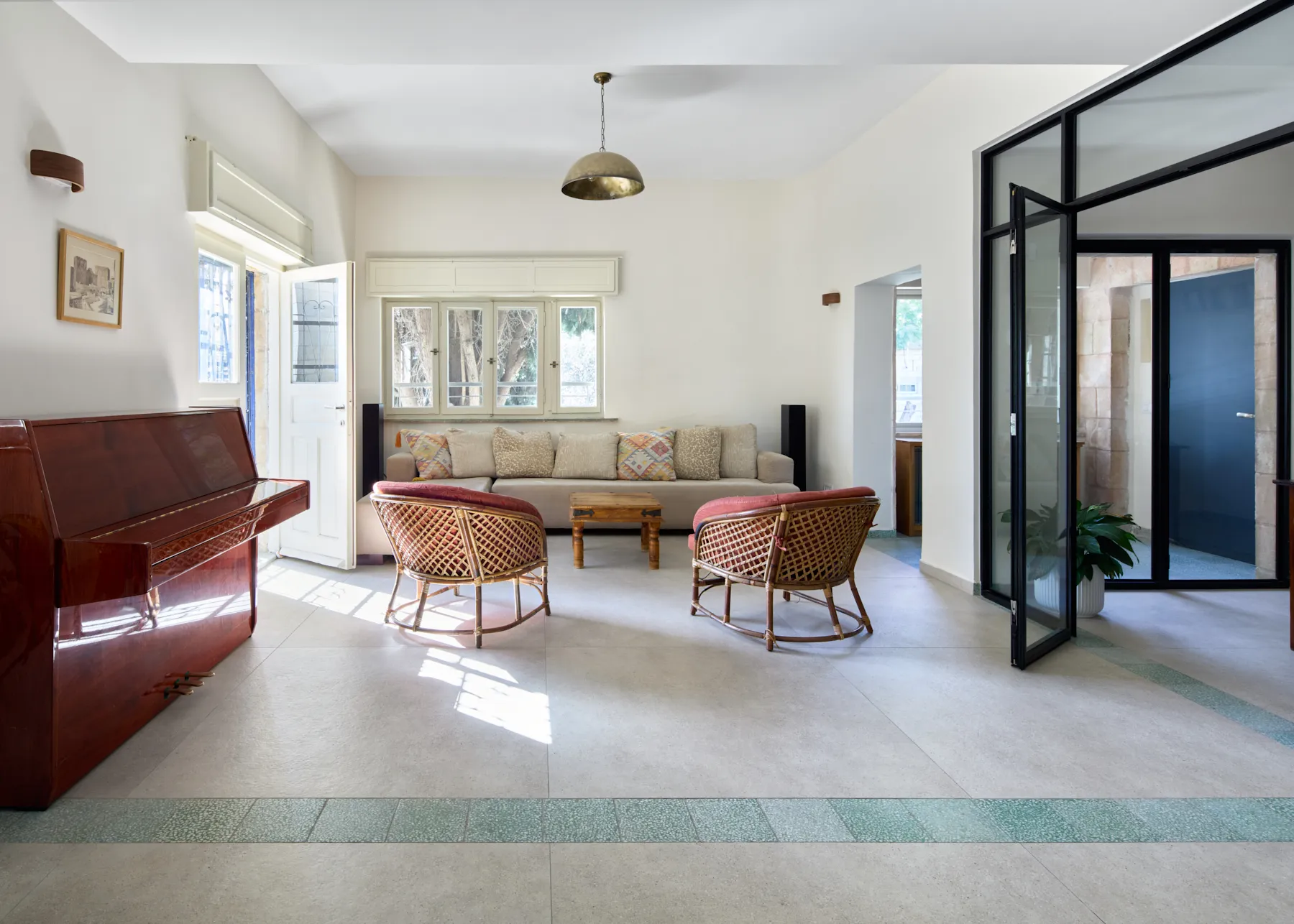

Israel's Architectural Heritage and the Challenges of Renovation
Israel's architectural heritage tells a story of successive civilizations, waves of immigration, and quick and intensive modernization. From ancient stone structures to Bauhaus buildings and brutalist megastructures, the country's buildings reflect not just design trends but also shifts in ruling powers and technological advances. For property owners considering renovation in Israel, understanding these before walking into a renovation helps make the project run as smoothly as possible.
The Historical Layers of Architecture Across Israel
Ancient and Medieval Foundations
Walking through Jerusalem's Old City or Akko's Crusader halls, you encounter architecture measured not in decades but millennia. The massive stones of the Western Wall, the Herodian-era construction techniques, and the Byzantine churches established principles that echo even in modern Israeli building: thick stone walls for thermal mass, small windows to moderate heat, courtyards for ventilation and social life. Arab and Ottoman architecture continued these traditions, adding pointed arches, decorative Ablaq stonework, and the iconic Jerusalem stone that mandatory building codes still require in the capital today.
These weren't just aesthetic choices, but had practical purposes too. In a climate with extreme summers and occasionally harsh winters, massive stone construction provided natural climate control. The narrow streets of old neighborhoods created shade and wind corridors. Flat roofs doubled as living spaces during hot nights.
The British Mandate Period (1920-1948)
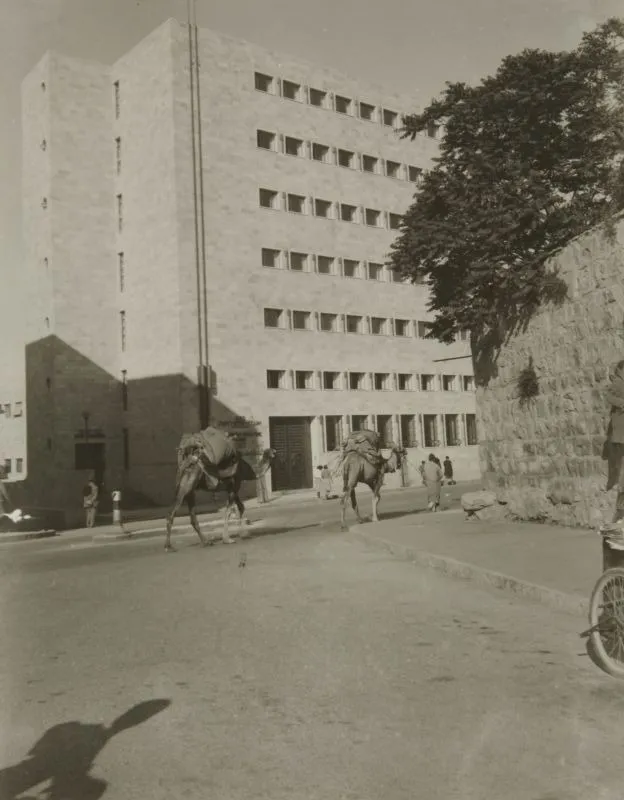
The British brought Victorian sensibilities, colonial administrative architecture, and crucially, urban planning concepts to British Mandate Palestine. In Jerusalem, they instituted regulations requiring buildings be faced with local limestone - a guideline that continues today and gives the city its distinctive golden glow. British planners laid out new neighborhoods in the main cities and established building codes that introduced modern sanitation and structural standards.
But the Mandate period's arguably most significant architectural contribution came from European Jewish immigrants fleeing persecution. They brought Modernism which flourished most in Tel Aviv.
Bauhaus and International Style
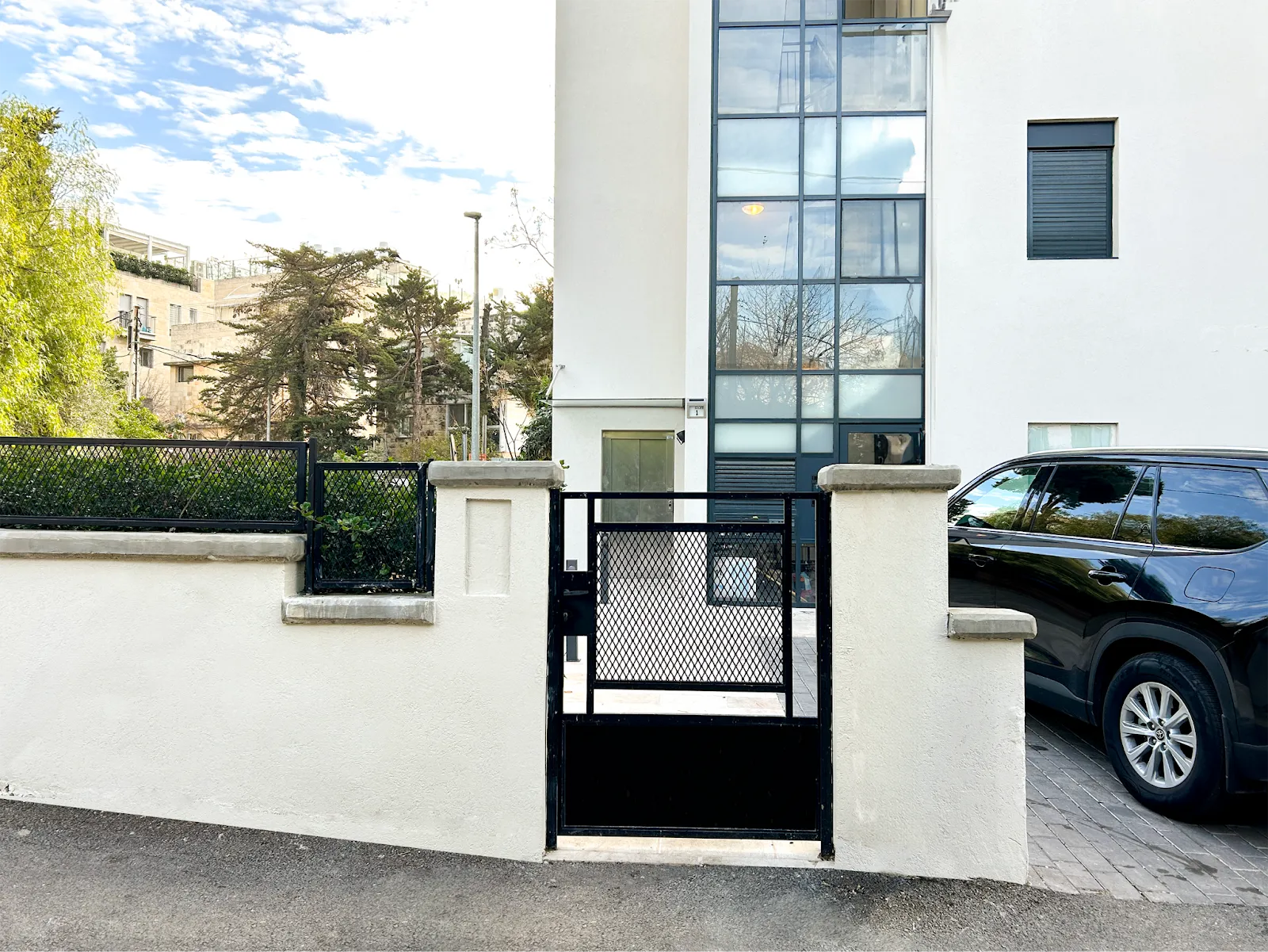
Between 1930s and 1940s, some 4,000 buildings in the International Style rose in Tel Aviv, earning the city UNESCO World Heritage status for the largest concentration of Bauhaus architecture in the world. Architects trained at the Bauhaus school in Germany, adapted European Modernism to Mediterranean conditions, creating unique buildings raised on pilotis (structural supports, like columns or stilts, that lift a building off the ground, creating open space underneath) to allow air circulation beneath, long balconies for outdoor living, horizontal ribbon windows, asymmetrical compositions, and flat roofs originally intended as communal gardens.
These buildings embodied socialist ideals of equality and communal living while responding practically to climate, limited resources, and the need for rapid construction.
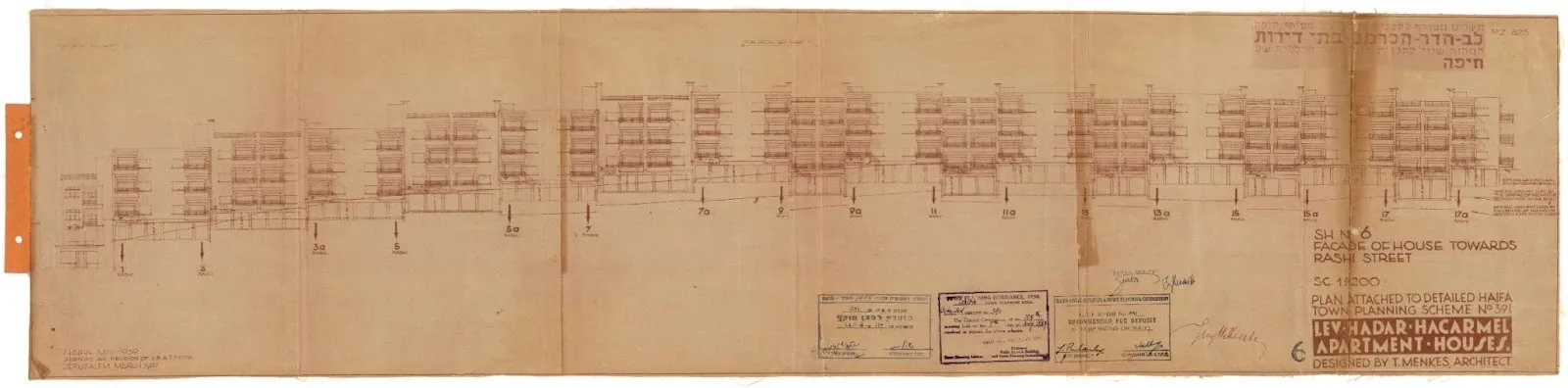
Cities like Haifa developed their own Modernist characters. Haifa, built on the slopes of Mount Carmel, created a terraced urban landscape where Bauhaus apartments commanded views of the Mediterranean.
Post-Independence Urgency (1948-1970s)
The establishment of the State of Israel in 1948 triggered mass immigration. The population more than doubled in the first decade, creating an unprecedented housing crisis. Speed trumped aesthetics with simple, boxy, concrete structures featuring minimal design - popped up across the country. These "shikunim" (housing projects) prioritized rapid construction and cost efficiency over architectural distinction.
Different cities developed different characters during this period. Beersheba, rapidly expanding as the "capital of the Negev," got modernist planning with wide boulevards and geometric neighborhoods. Jerusalem's expansion created neighborhoods that had to balance modernization while still respecting the historical significance of the city.
Contemporary Architecture (1980s-Present)
Recent decades have seen increasingly diverse architectural expressions. The postmodern era brought ornament and historical references back to building design. High-tech materials enabled glass-and-steel towers in Tel Aviv and Herzliya. Sustainability concerns have prompted renewed interest in passive cooling, solar orientation, and green building techniques - ironically returning to principles that ancient builders understood instinctively.
Cities have developed distinct identities. Tel Aviv remains contemporary, constantly demolishing and rebuilding, while still dealing with conservation codes - especially regarding Bauhaus buildings. Jerusalem, carrying the weight of history, must also contend with preservation requirements, which while more fluid, are caught up in a lot of bureaucracy. Haifa embraces its hillside topography with dramatic architectural gestures, as well as exciting potential with plans to develop the old port area.
Urban Diversity: Architectural Characters Across Israeli Cities
Jerusalem:
Jerusalem's architectural regulations are among Israel's strictest. The requirement to use Jerusalem stone (typically limestone) on exterior facades creates visual continuity but also complicates and increases the cost of construction and renovation. The city contains distinct quarters - the Old City's ancient labyrinths, German Colony's 19th-century Templer buildings, Rehavia's garden suburb with Mandate-era villas, and modern neighborhoods trying to reconcile contemporary needs with historical context.
Neighborhoods like Nachlaot feature small stone houses with courtyards, originally built for Sephardic and Yemenite Jews in the late Ottoman period. These charming structures often have unclear property boundaries, multiple additions over decades, and foundations that predate modern engineering standards.
Tel Aviv-Yafo:
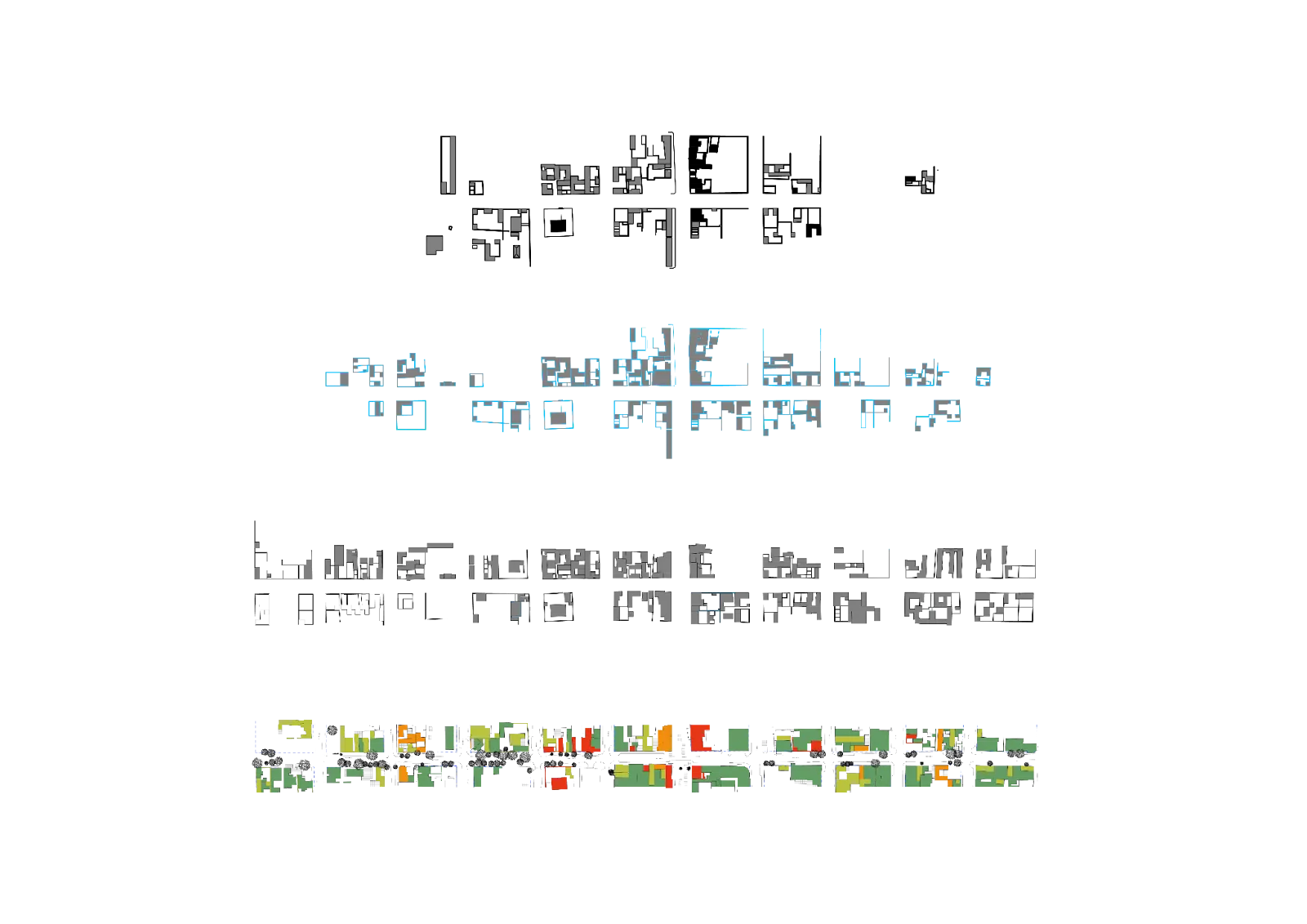
Tel Aviv's architectural character shifts dramatically by neighborhood. At its core the famous Bauhaus buildings, now mostly renovated but still presenting challenges. South Tel Aviv has older, more deteriorated International Style buildings mixed with earlier eclectic architecture. North Tel Aviv and neighborhoods extending toward Ramat Aviv feature postwar construction—the towers and residential blocks of the 1960s and 1970s.
The southern neighborhoods of Neve Tzedek and Florentin contain some of Tel Aviv's oldest buildings - small stone and plaster structures from the early 20th century, often originally intended as working-class housing but now gentrifying rapidly. Jaffa's old city presents preservation challenges similar to Jerusalem's, with ancient sandstone buildings requiring specialized restoration techniques.
Haifa:
Built on Mount Carmel's slopes, Haifa presents unique architectural challenges and opportunities. The German Colony features Templar buildings similar to Jerusalem's. The Hadar neighborhood contains mid-20th century commercial architecture, much now deteriorating. Higher up, neighborhoods like Carmel Center feature modernist apartment buildings from the 1950s-70s taking advantage of spectacular views.
The city's topography means many buildings have multiple ground levels on different sides, complicating renovation and maintenance. The elevation differences also create microclimates - lower neighborhoods are hotter and more humid, upper areas cooler and windier, influencing appropriate building techniques.
Beersheba and the South:
Beersheba's old city contains Ottoman-era buildings, including the famous Ottoman train station and Turkish houses built around courtyards. Post-independence development created wide modernist boulevards and geometric neighborhoods. More recent construction has attempted to address desert climate through design - though not always successfully, as air conditioning has often replaced thoughtful passive cooling strategies.
Development towns throughout the Negev face particular challenges. Built rapidly in the 1950s with limited resources, many contain deteriorating shikunim requiring comprehensive renovation.
Renovation Challenges by Period and Location
Renovating Israeli properties means navigating not just architectural issues but layers of regulation, preservation requirements, and practical complications that vary dramatically by building period and location.
Renovating Bauhaus and International Style Buildings
Tel Aviv's famous Bauhaus buildings present a particular set of challenges. Many were constructed quickly with limited budgets using materials that haven't aged well. Thin walls, inadequate waterproofing, deteriorating balconies, and crumbling plaster are common issues.
Preservation requirements in protected buildings severely limit what owners can do. The Tel Aviv-Yaffo municipality and the Israel Antiquities Authority created a very rigid list of what is approved and not approved for specific heritage buildings. They must approve changes to building exteriors, structural elements, and often interiors in buildings with conservation orders. In many ways, the strict and often non-negotiable preservation requirements in Tel Aviv-Yaffo make it simpler, clearer and more efficient to create a renovation plan.
Structurally, these buildings often lack adequate foundations by modern standards. Many were built on sandy soil without deep pilings, leading to settling and cracking. Reinforcing foundations while keeping the building occupied and maintaining its character requires sophisticated engineering and significant expense.
Jerusalem Stone Buildings: Old and New
It is a common misconception that the Jerusalem municipality has very clear and strict preservation and conservation standards when renovating historic buildings. While there are more historic buildings and urban fabric in Jerusalem, the guidelines are more flexible and fluid.
While there are some well-known requirements, for example most renovation in Jerusalem requires the use of authentic Jerusalem limestone, many other restrictions can often be negotiated.
As a result there is often a lack of certainty around what will be approved when applying for permits, which often leads to more bureaucracy and a lengthy permit application process. Using a licensed architect will make the application process smoother as they are often more qualified and knowledgeable in understanding the intricacies of conservation in Jerusalem than interior designers, surveyors and assessors.
In the Old City of Jerusalem buildings may be centuries old with multiple layers of construction and renovation. Original property boundaries may be unclear, with buildings sharing walls or built partially over public areas. Ottoman-era property records may be incomplete or contradictory.
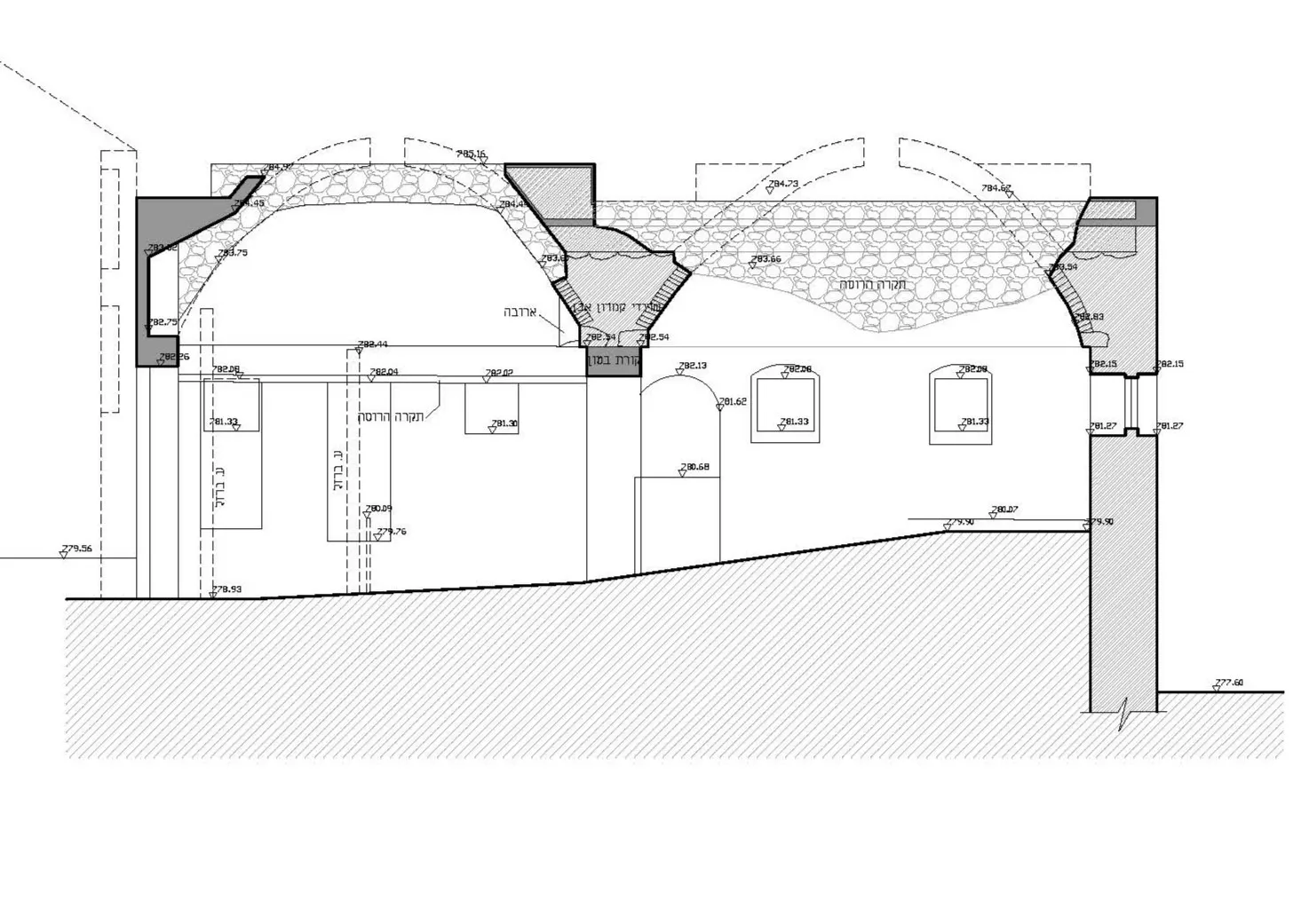
Structural assessment becomes complicated. Ancient buildings may have walls three feet thick at the base, tapering as they rise, with rubble fill between inner and outer stone faces. Modern engineering must evaluate structures built by completely different principles than contemporary construction. Installing modern utilities in buildings with massive stone walls often requires creative solutions—chasing channels for pipes and wiring without compromising structural integrity.
Foundation issues in Jerusalem's hilly terrain can also be challenging. Buildings may be built on bedrock, on fill, or partially on each. Water infiltration through old stone walls and inadequate waterproofing creates ongoing moisture problems. Solving these often requires excavating around or under the building - extremely sensitive work in a city where you might encounter archaeological remains from any of a dozen civilizations.
Post-Independence and Brutalist Buildings
The shikunim and brutalist buildings from the 1950s-70s present different challenges. These were often built quickly with minimal budgets. Concrete quality may be poor, with inadequate reinforcement. Exposed concrete in brutalist buildings develops cracks, spalling, and water infiltration that damages rebar, creating rust stains and structural concerns.
Many of these buildings were constructed with inadequate insulation and poor waterproofing. Windows are often single-glazed aluminum frames that conduct heat readily. Thermal bridges in the concrete structure create condensation and mold issues.
Some of these buildings contain asbestos in various forms - insulation, ceiling tiles, cement panels. Professional removal is mandatory but expensive and disruptive. The buildings often lack proper ventilation systems; adding them means cutting through concrete floors and walls.
Seismic Retrofit Requirements
Israel lies on the Syrian-African Rift Valley, making earthquake resilience crucial. Building codes have been updated multiple times, particularly after significant earthquakes like the 1927 Jericho earthquake. Many older buildings don't meet current seismic standards.
Tama 38, a national program, provides financial incentives for seismic strengthening of buildings constructed before 1980. Renovation might require adding reinforced concrete shear walls, strengthening columns, improving connections between structural elements, or even adding external bracing. In some cases, residents can be evacuated temporarily while the building is strengthened and additional floors added on top, with the construction costs offset by selling the new apartments.
However, Tama 38 projects face complications. All apartment owners in a building must agree - difficult in buildings with dozens of units and diverse ownership. The construction is disruptive, sometimes requiring temporary relocation. Historic buildings may not be eligible if strengthening would compromise protected architectural features. In addition, lately most of the municipalities have withdrawn the Tama 38 permits.
Making It Work
Renovating in Israel means balancing modern needs with historical value, personal wants and individual desires with heritage, practical constraints with architectural ambition. A Bauhaus apartment connects you to European refugees creating something new. A Jerusalem stone house links you to millennia-old building traditions. That connection comes with responsibility and complications.
Understanding what your building represents - the historical period, materials, methods, and regulations protecting or restricting it - doesn't make renovation easy. But it makes it meaningful, connecting your individual project to larger stories about how we build, how we live, and what we choose to preserve from everything that came before.
Israel's compressed architectural history creates a built environment of remarkable diversity. The challenges facing renovators mirror larger questions about how Israel balances multiple identities, honors its history while building its future, and creates spaces that work for today while preserving something meaningful for tomorrow.